Featured
Table of Contents
Financial obligation combination with a personal loan provides a few advantages: Repaired rate of interest and payment. Make payments on multiple accounts with one payment. Repay your balance in a set amount of time. Personal loan financial obligation combination loan rates are typically lower than credit card rates. Lower credit card balances can increase your credit report rapidly.
Consumers typically get too comfortable simply making the minimum payments on their credit cards, but this does little to pay for the balance. Making only the minimum payment can cause your credit card debt to hang around for decades, even if you stop using the card. If you owe $10,000 on a credit card, pay the average credit card rate of 17%, and make a minimum payment of $200, it would take 88 months to pay it off.
Contrast that with a debt consolidation loan. With a debt consolidation loan rate of 10% and a five-year term, your payment just increases by $12, however you'll be without your debt in 60 months and pay simply $2,748 in interest. You can use a individual loan calculator to see what payments and interest may look like for your debt combination loan.
Comparing Rates Of Interest Across Your State This YearThe rate you receive on your personal loan depends upon many elements, including your credit rating and income. The smartest way to know if you're getting the very best loan rate is to compare deals from completing lenders. The rate you get on your debt combination loan depends on many aspects, including your credit rating and income.
Financial obligation debt consolidation with an individual loan may be right for you if you meet these requirements: You are disciplined enough to stop bring balances on your credit cards. Your personal loan rates of interest will be lower than your credit card interest rate. You can manage the individual loan payment. If all of those things don't apply to you, you might need to look for alternative methods to combine your financial obligation.
New 2026 Planning Calculators for Debtors
In some cases, it can make a debt problem worse. Before combining debt with an individual loan, consider if one of the following situations applies to you. You understand yourself. If you are not 100% sure of your ability to leave your charge card alone when you pay them off, do not combine financial obligation with a personal loan.
Personal loan interest rates average about 7% lower than credit cards for the very same borrower. If you have credit cards with low or even 0% initial interest rates, it would be silly to replace them with a more pricey loan.
Because case, you may want to utilize a charge card debt consolidation loan to pay it off before the charge rate kicks in. If you are just squeaking by making the minimum payment on a fistful of credit cards, you may not be able to reduce your payment with a personal loan.
An individual loan is designed to be paid off after a particular number of months. For those who can't benefit from a financial obligation combination loan, there are options.
Top Strategies for Achieving Financial Freedom
If you can clear your debt in less than 18 months or so, a balance transfer charge card could offer a quicker and less expensive alternative to a personal loan. Customers with exceptional credit can get up to 18 months interest-free. The transfer charge is usually about 3%. Make sure that you clear your balance in time.
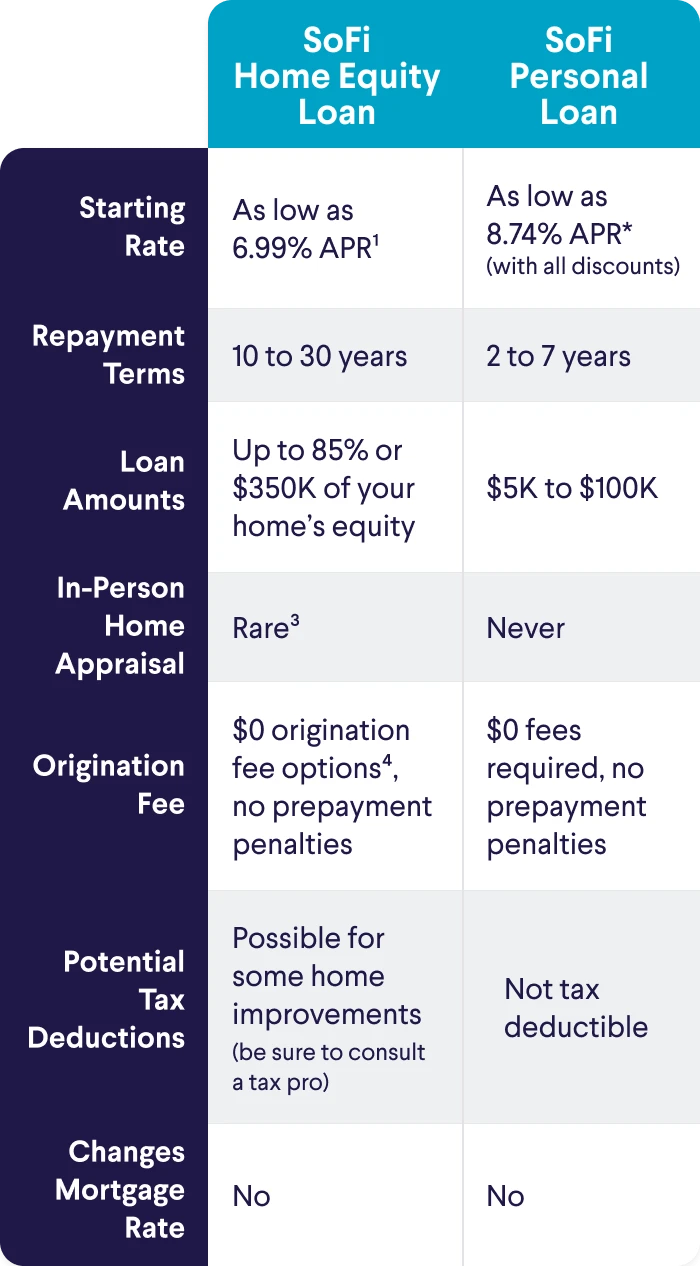
If a debt combination payment is too high, one method to reduce it is to stretch out the payment term. That's due to the fact that the loan is secured by your house.
Here's a comparison: A $5,000 personal loan for debt combination with a five-year term and a 10% interest rate has a $106 payment. Here's the catch: The overall interest expense of the five-year loan is $1,374.
Assessing Debt Management versus Loans in 2026
If you really require to decrease your payments, a 2nd home mortgage is a good choice. A financial obligation management plan, or DMP, is a program under which you make a single monthly payment to a credit therapist or debt management specialist. These companies typically supply credit therapy and budgeting advice as well.
When you participate in a plan, comprehend how much of what you pay monthly will go to your financial institutions and how much will go to the business. Learn the length of time it will require to end up being debt-free and make certain you can manage the payment. Chapter 13 bankruptcy is a financial obligation management plan.
One benefit is that with Chapter 13, your creditors need to participate. They can't pull out the method they can with financial obligation management or settlement plans. Once you file personal bankruptcy, the bankruptcy trustee determines what you can realistically pay for and sets your month-to-month payment. The trustee disperses your payment amongst your financial institutions.
, if effective, can dump your account balances, collections, and other unsecured financial obligation for less than you owe. If you are really a really good negotiator, you can pay about 50 cents on the dollar and come out with the debt reported "paid as concurred" on your credit history.
Smart Methods for Managing Consumer Debt in 2026
That is very bad for your credit report and score. Any quantities forgiven by your lenders go through income taxes. Chapter 7 insolvency is the legal, public version of debt settlement. As with a Chapter 13 personal bankruptcy, your financial institutions need to get involved. Chapter 7 personal bankruptcy is for those who can't manage to make any payment to lower what they owe.
Debt settlement permits you to keep all of your ownerships. With bankruptcy, released financial obligation is not taxable income.
You can save cash and improve your credit score. Follow these ideas to ensure a successful financial obligation repayment: Discover a personal loan with a lower interest rate than you're currently paying. Ensure that you can afford the payment. Often, to repay debt rapidly, your payment must increase. Think about combining a personal loan with a zero-interest balance transfer card.

Latest Posts
Critical Steps for Reducing Monthly Payments Via Management
Assessing Counseling versus Consolidation in 2026

Comparing Affordable Private Financing in 2026